
A Journey Through Time
Rikhiram’s legacy is a testament to the passion and dedication of four generations, each contributing to the evolution of Indian classical music.

PT. RIKHI RAM SHARMA (1900–1961)
The Founder – The Visionary
The journey of Rikhi Ram began with Late Pandit Rikhi Ram Sharma, born in the village of Samoor, District Una, Himachal Pradesh. A pioneer in the art of Indian classical musical instrument making, he dedicated his life to refining, innovating, and elevating traditional craftsmanship. Under the guidance and trust of his respected mentors, Janab Abdul Karim Poonchwale and Janab Ramzan Khan, he mastered techniques that brought him international recognition.
His instruments became an inseparable part of legendary performances by maestros such as Ustad Fayyaz Khan Sahib, Ustad Bade Ghulam Ali Khan Sahib, and Pt. Onkar Nath Thakur. For these stalwarts, the instrument was not merely an accompaniment but an extension of their soul — a partnership where artist and instrument were incomplete without one another.
The Partition uprooted him from Lahore, his karmabhoomi, and brought him to Delhi. Despite uncertainty, he rebuilt his legacy with renewed faith and resilience. Delhi once again became the land where his innovation flourished. Until his passing in 1961, he strengthened the foundation of what would become one of the most respected names in Indian classical instrument making, entrusting the legacy to his son, Pt. Bishan Dass Sharma.
PT. BISHAN DASS SHARMA
The Preserver – The Perfectionist
Carrying forward the sacred legacy of his father, Pt. Bishan Dass Sharma ensured that tradition remained intact during a rapidly changing musical era. As Western influences entered Indian music, he stood firm in preserving the authenticity and purity of Indian classical instrument craftsmanship.
Deeply associated with renowned musicians and guided by the values instilled by his father, he refined tonal depth, structural strength, and acoustic balance in every instrument produced. His instruments maintained their prominence among maestros and connoisseurs who valued authenticity over trend.
Under his stewardship, Rikhi Ram instruments continued to define excellence in tonal quality, meend capability, durability, and aesthetic craftsmanship. He not only preserved a legacy but strengthened it, ensuring that every sitar and classical instrument carried the spiritual and acoustic signature established by the founder.

PT. BISHAN DASS SHARMA
The Preserver – The Perfectionist
Carrying forward the sacred legacy of his father, Pt. Bishan Dass Sharma ensured that tradition remained intact during a rapidly changing musical era. As Western influences entered Indian music, he stood firm in preserving the authenticity and purity of Indian classical instrument craftsmanship.
Deeply associated with renowned musicians and guided by the values instilled by his father, he refined tonal depth, structural strength, and acoustic balance in every instrument produced. His instruments maintained their prominence among maestros and connoisseurs who valued authenticity over trend.
Under his stewardship, Rikhi Ram instruments continued to define excellence in tonal quality, meend capability, durability, and aesthetic craftsmanship. He not only preserved a legacy but strengthened it, ensuring that every sitar and classical instrument carried the spiritual and acoustic signature established by the founder.
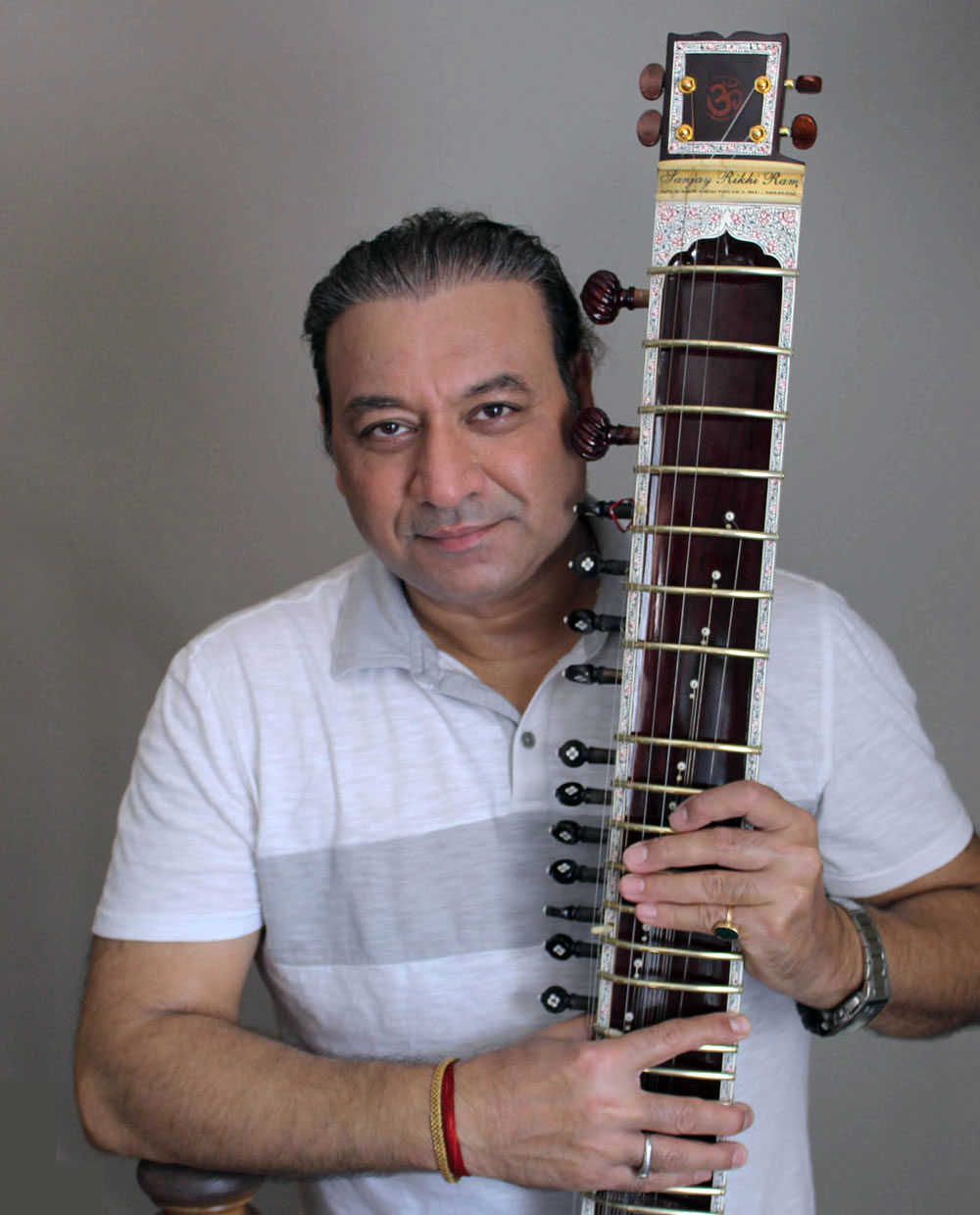
SHRI SANJAY SHARMA
The Innovator – The Institution Builder
Shri Sanjay Sharma, inheriting the artistry and discipline of his father Pt. Bishan Dass Sharma and the visionary spirit of his grandfather Pt. Rikhi Ram Sharma, expanded the legacy into a new era. With deep exposure to maestros and award-winning musicians, he refined both the technical and aesthetic dimensions of traditional instrument making.
He maintained the highest benchmarks in tonal precision, structural integrity, and playability. Rikhi Ram sitars under his leadership became known for their extraordinary meend capability (6–6½ notes from a single fret), perfect microtonal stability, and uncompromised use of premium organic materials to preserve sacred acoustic principles.
In 1993, his wife Manjul Sharma joined him, strengthening the legacy further. Together, they founded the institution “Sanjay Rikhi Ram Vadya Parampara” — a dedicated initiative for research, innovation, preservation, and propagation of Indian musical instruments. The institution promotes awareness across generations and ensures the tradition evolves without losing its soul.
MANJUL SHARMA
The Global Torchbearer – The Cultural Ambassador
As CEO of Rikhi Ram, Manjul Sharma represents the dynamic fusion of heritage and modern vision. Born into a family deeply rooted in music and culture in Himachal Pradesh, she began singing and dancing at the age of five. After marrying into the Rikhi Ram family, she learned the intricate art of instrument making from her father-in-law, Pt. Bishan Dass Sharma.
Under her leadership, Rikhi Ram transformed into a globally respected brand while maintaining its traditional integrity. She introduced personalized craftsmanship, artist collaborations, and digital accessibility — connecting global musicians to authentic Indian instruments.
As a performing artist, her devotional and folk music has reached audiences worldwide. Her bhajan “Rehmat Teri” gained significant global streams, and her album “Divine’s Grace” crossed over a million listens across streaming platforms. Beyond business and performance, she is a philanthropist and actively promotes Indian classical music through the NGO and concert series under Sanjay Rikhi Ram Vadya Parampara. She stands as both guardian and global ambassador of the Rikhi Ram legacy.
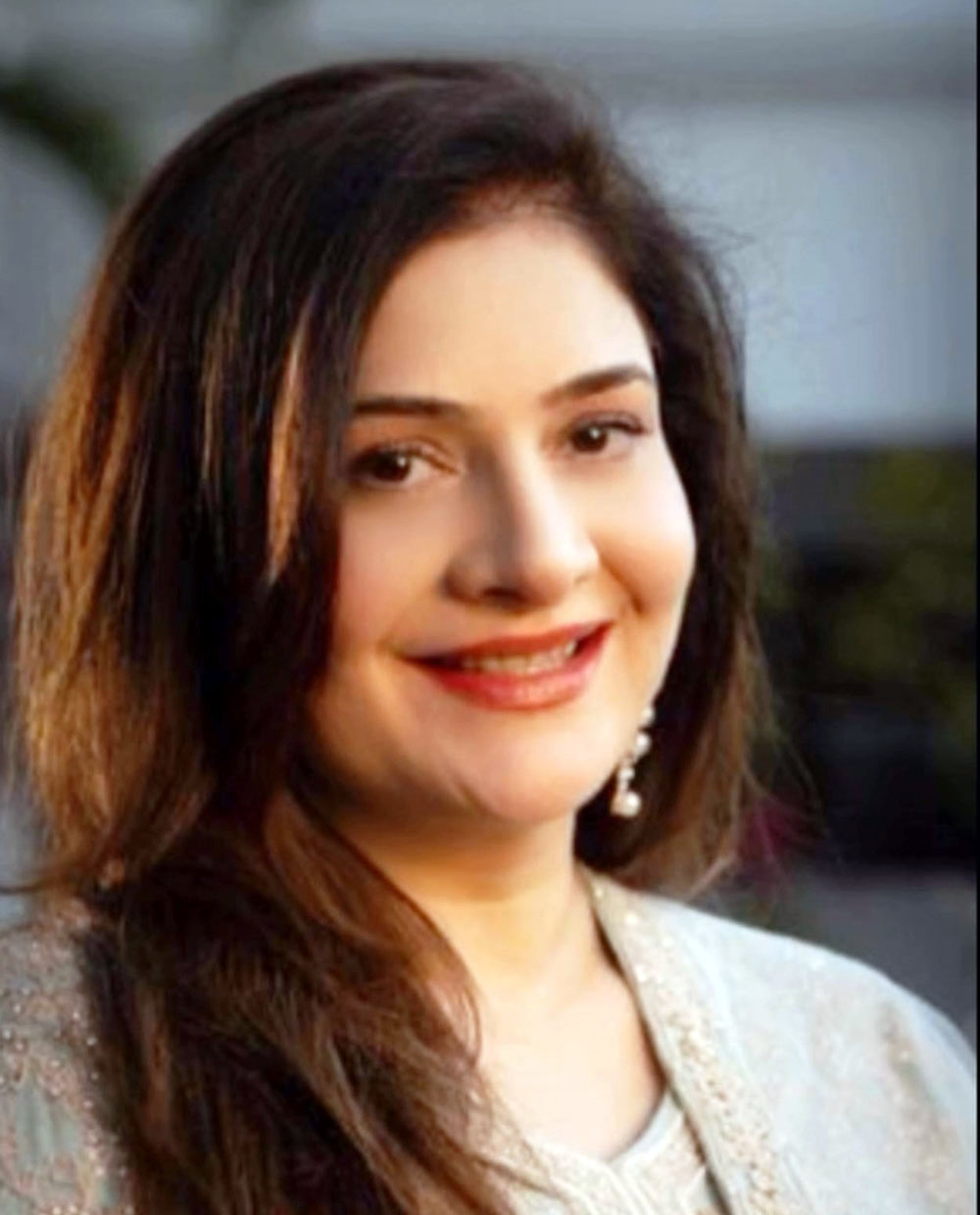
MANJUL SHARMA
The Global Torchbearer – The Cultural Ambassador
As CEO of Rikhi Ram, Manjul Sharma represents the dynamic fusion of heritage and modern vision. Born into a family deeply rooted in music and culture in Himachal Pradesh, she began singing and dancing at the age of five. After marrying into the Rikhi Ram family, she learned the intricate art of instrument making from her father-in-law, Pt. Bishan Dass Sharma.
Under her leadership, Rikhi Ram transformed into a globally respected brand while maintaining its traditional integrity. She introduced personalized craftsmanship, artist collaborations, and digital accessibility — connecting global musicians to authentic Indian instruments.
As a performing artist, her devotional and folk music has reached audiences worldwide. Her bhajan “Rehmat Teri” gained significant global streams, and her album “Divine’s Grace” crossed over a million listens across streaming platforms. Beyond business and performance, she is a philanthropist and actively promotes Indian classical music through the NGO and concert series under Sanjay Rikhi Ram Vadya Parampara. She stands as both guardian and global ambassador of the Rikhi Ram legacy.
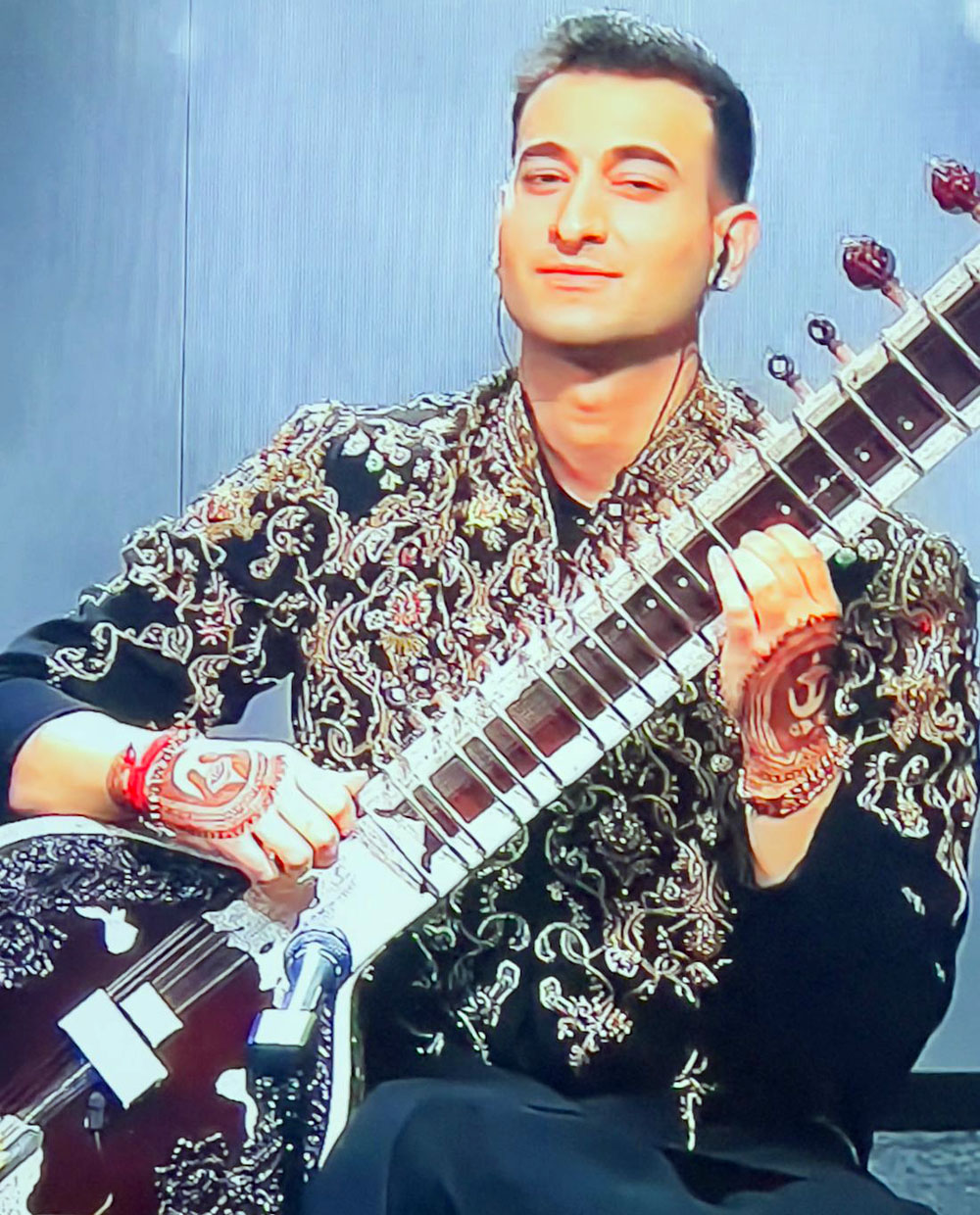
RISHAB RIKHIRAM SHARMA
The New Generation – The Global Resonance
Representing the newest chapter in the Rikhi Ram lineage, Rishab Rikhiram Sharma carries forward over a century of craftsmanship and musical devotion into the contemporary world. Deeply connected to both tradition and modern expression, he embodies the bridge between heritage and global audiences.
With exposure to international stages and collaborations, he ensures that Rikhi Ram instruments continue to resonate with musicians across cultures. While respecting the sacred acoustics and handcrafted authenticity established by his forefathers, he embraces innovation, digital reach, and evolving musical sensibilities.
Rishab symbolizes continuity — a living testament that the Rikhi Ram legacy is not confined to history but is a vibrant, evolving force in the world of music. Through him, the sound of tradition meets the rhythm of the future.
A Legacy Beyond Time
From the visionary hands of Pt. Rikhi Ram Sharma to the global resonance of Rishab Rikhiram Sharma, the Rikhi Ram legacy stands as a monument to devotion, craftsmanship, and musical excellence. Across five generations, one principle remains unchanged —
Where there is music, there must be an instrument worthy of the maestro.